
International collaboration can expand your scientific skillset, expose you to new research problems and build your global profile. It requires strategic networking, clear communication, institutional support and a willingness to learn and adapt.
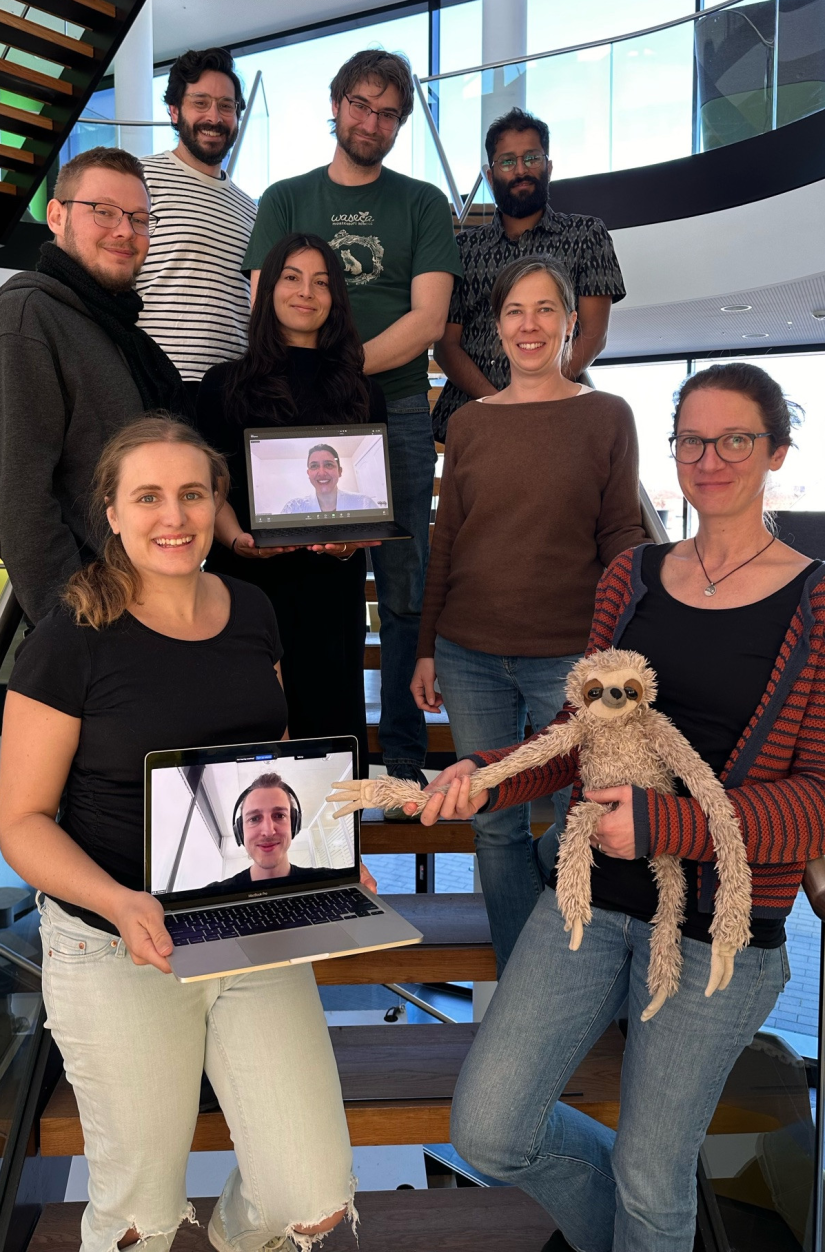
Case study: Collaborating on international fieldwork
UTS Chancellor’s Research Fellow Dr Zoe Xirocostas has collaborated with researchers across Spain, the UK, France, Austria and Estonia to collect ecological field data on invasive plant species. She also collaborates closely on projects with researchers from the USA, India, Germany and Switzerland.
Zoe said that these experiences have provided her with many direct and indirect benefits, from learning different approaches to fieldwork, writing, project planning and statistical methods to being invited to give seminars at overseas universities.
“These opportunities have been facilitated by my international collaborators and have also led to being invited to contribute to grant proposals and participating in workshops, which have led to further publications and expansion of my network,” she said.
Zoe says that international collaboration is important for a researcher because:
- It helps to expand your scientific skillset and reach
- You learn what research problems matter most across the globe (not everything we care about in Australia is of top priority overseas).
- You can build your profile as a researcher as you make yourself and your research known globally.
Start by planning for how you might include international experiences as part of your research plan to gain benefits from developing networks for future international collaboration and exchanges to broader funding opportunities.

Case study: Microbiology and physics meet immunology
ARC Future Fellow Dr Bill Soderstrom is trained physicist, working in infection microbiology with researchers in Sweden, Spain, France and the US. He began planning for international collaboration during a post doc experience in Japan and has gone on to build a strong, international collaboration network.
Bill believes international collaboration opens interesting conversations with people outside your immediate field, and strongly recommends attending conferences.
“Go to conferences and network. Pop out of your (shy?) research shell and be open to explore what’s out there,” he said.
While he says you can to some extent leverage you supervisors’ connections, it is important to make your own connections and build on those as you advance your career as an independent researcher.
By following these tips, you can enhance your research impact and contribute meaningfully to your field on a global scale.
- Define your research objectives: As you define your research goals and plan for international collaboration, think about the expertise you might need from collaborators and where you could find it. Consider the skills and experience that you can offer to others, not just what you need.
- Engage with the Research Office: Connect with the International Grants Team for guidance on relevant funding or exchange opportunities. Attend research development workshops and training sessions to stay informed about funding streams and best practices.
- Build a network: Attend international conferences, workshops and seminars to meet potential collaborators and spark new ideas. Leverage existing connections, including those of your supervisors and colleagues, as you also work to build your own independent network. Use online platforms like ResearchGate and LinkedIn to connect with researchers globally.
- Be strategic and persistent: View international collaboration as a long-term investment in your career and research impact. Look for partners whose expertise complements your own and share your research interests. Start to explore small projects to test compatibility before committing to larger collaborations. Accept that not every application or collaboration will succeed. Ask for feedback and learn from the experience.
- Communicate often: Keep in touch with your network through regular emails and meetings and be mindful of cultural differences, language barriers and time zones.
- Celebrate successes: Share your international experiences and outcomes, both positive and negative, to promote your work, attract new collaborators and help others and build your profile.

Case study: Forging an international career in microbiology
Chancellor’s research Fellow Dr Yan Liao started collaborating internationally during her postdoctoral research, when she worked closely with scientists from Ulm University in Germany and the UK Medical Research Council Laboratory of Molecular Biology (MRC-LMB). Currently, Yan is deepening this international engagement as a visiting fellow at MRC-LMB, Cambridge.
“This experience has expanded my professional network, fostered interdisciplinary thinking, and laid the groundwork for long-term collaborations. Importantly, at this stage of my career, such international exposure helps me establish an independent research identity, distinct from my previous mentors, and positions me for future leadership in my field.”
Yan said international collaboration is particularly crucial for mid-career researchers.
“It provides a pathway to move beyond the shadow of one’s mentors and to build an independent scientific identity. It also increases the impact of one’s research, helping to establish recognition and leadership in the field,” she said
She recommends international conferences as an effective way to begin working towards international collaboration.
“Before attending a conference, be sure to identify researchers whose work aligns with your interests and engage with them actively by asking thoughtful questions during Q&A sessions and by follow up with them afterward,” she said, adding that speakers often remember those who ask questions for their presentation.
What's next?
- Think globally as you plan research activities by keeping an eye out for international opportunities be they conferences, project or travel grants, fellowships or exchange projects.
- Be proactive in establishing relationships and seeking international collaboration opportunities.
- Catch up on the UTS Aspire research training sessions about international grant preparation and how to develop a 5-year research plan.
- Visit the UTS Partnerships and Agreements SharePoint.
Go to the Building an International Research Strategy landing page