UTS Chancellor’s Research Fellow Dr Zoe Xirocostas is an ecologist who began working internationally during her PhD.
Collaborating on international fieldwork

“The nature of my PhD research, understanding plant-animal interactions in species’ native and introduced ranges, meant that international collaboration was a must from the get-go!” she explained.
At first, Zoe collaborated with researchers across Spain, the UK, France, Austria and Estonia to collect ecological field data on invasive plant species. Her network has since grown: she now collaborates closely on projects with researchers from the USA, India, Germany and Switzerland.
“I also participate regularly in global ecological studies that include worldwide participants and are led by researchers in Canada, Estonia and the USA.”
The benefits of working internationally
Zoe said that her numerous international research experiences have provided her with many direct and indirect benefits, from learning different approaches to fieldwork, writing, project planning and statistical methods to being invited to give seminars at overseas universities.
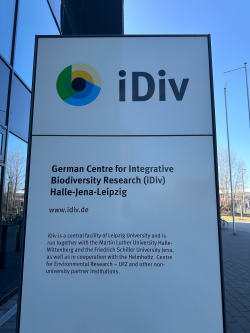
“These opportunities have been facilitated by my international collaborators and have also led to being invited to contribute to grant proposals and participating in workshops, which have led to further publications and expansion of my network,” she said.
Zoe says that international collaboration is important for a researcher because:
- It helps to expand your scientific skillset and reach
- You learn what research problems matter most across the globe (not everything we care about in Australia is of top priority overseas).
- You can build your profile as a researcher as you make yourself and your research known globally.
These opportunities have been facilitated by my international collaborators and have also led to being invited to contribute to grant proposals and participating in workshops, which have led to further publications and expansion of my network.
“Our Australian bubble is really nice, but if you want to elevate your career to the next level, you need to think bigger and see how you can leverage international collaborations to enhance your research impact and contributions to your field,” Zoe said.
Participate in international conferences
To start collaborating internationally, Zoe recommends you attend international conferences.
“Meeting people in person works much better than cold emailing someone you want to work with, and you can really strike up some excellent conversations (or even project ideas),” she said, adding that international conferences enable others to learn more about you and your research, and perhaps even seek you out for a conversation.
“While these chats may not lead to anything in the moment, months or even years down the line, you might find yourself receiving an “I don’t know if you remember our conversation at XX conference” email that eventually leads to a project or publication.”
Meeting people in person works much better than cold emailing someone you want to work with, and you can really strike up some excellent conversations (or even project ideas).