
Welcome to our feature series on how to build an international research strategy. To realise our vision to be a leading public university of technology recognised for our global impact, international engagement is a critical part of what we do at UTS.
In this series, UTS researchers and research support teams offer practical suggestions that will help you start forming successful and influential international partnerships and increase your chances of international grant success. Catch up on research development workshops for useful tips and to learn about different international funding streams.

Connect with research support
While there is an abundance of opportunity, applying for international grants can be challenging and confusing, especially for those unfamiliar with the requirements and expectations of various international funding systems. Research support staff are here to help says International Program Manager Maggie Wang, who has one mission: to help UTS researchers win international funding.
Attend a research development workshop
The International Grants team work with the UTS Aspire program and expert guest presenters to offer regular training courses. Come along to find practical tips, useful information and informative examples to help enhance your international research collaborations and increase your chances of funding success. Catch up on recordings of past workshops.

Build interdisciplinary collaborations
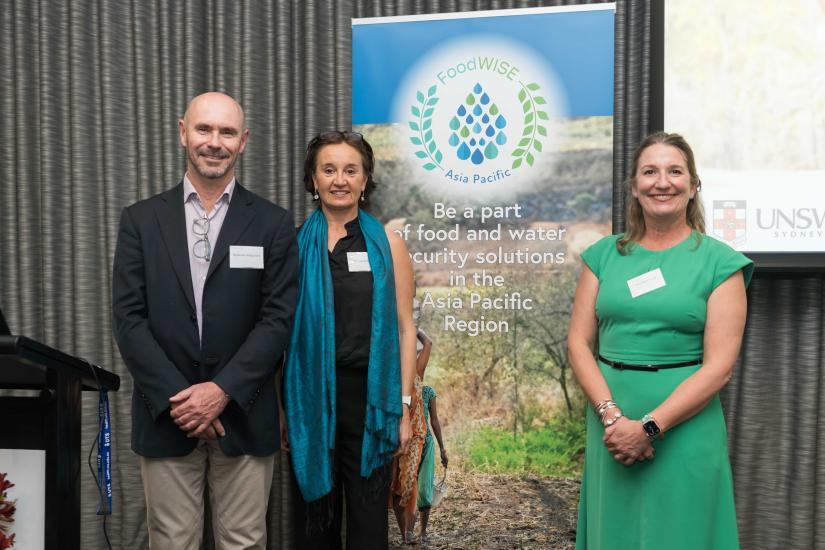
When you work internationally, partnerships that bring together diverse fields of expertise to tackle complex problems from multiple angles can strengthen your funding applications. In some cases, it is mandatory to have a local partner, such as when applying for funds from the European Union. Start to build relationships on small projects and use these opportunities to discover whether you and potential collaborators are a good fit.
Involve the community
UTS is known and internationally recognised for its engaged research involving community members as well as academic researchers. When you seek perspectives of those who are directly impacted by your research, you foster a sense of ownership and collaboration. You also have a better chance of building trust amongst international audiences and credibility for your research findings.


Diversify your funding strategies
In seeking international funding, don’t forget to look beyond traditional funding sources, such as government grants. Across the globe, there are many philanthropic funders keen to advance research impact, including embassies and private investors that offer research grants. A compelling story about the difference your research will make and how the philanthropic support will help is key.
Include international collaboration in your long-term vision
As a researcher wanting to make impact, it’s important that you develop a plan to build your international network from the start of your academic career. International collaboration is essential if you are looking to secure international funding to support your work. There are many ways to do this, such as seeking mentorship, attending international conferences, joining industry societies and associations and participating in grant review panels.

Invite international collaborators to visit UTS
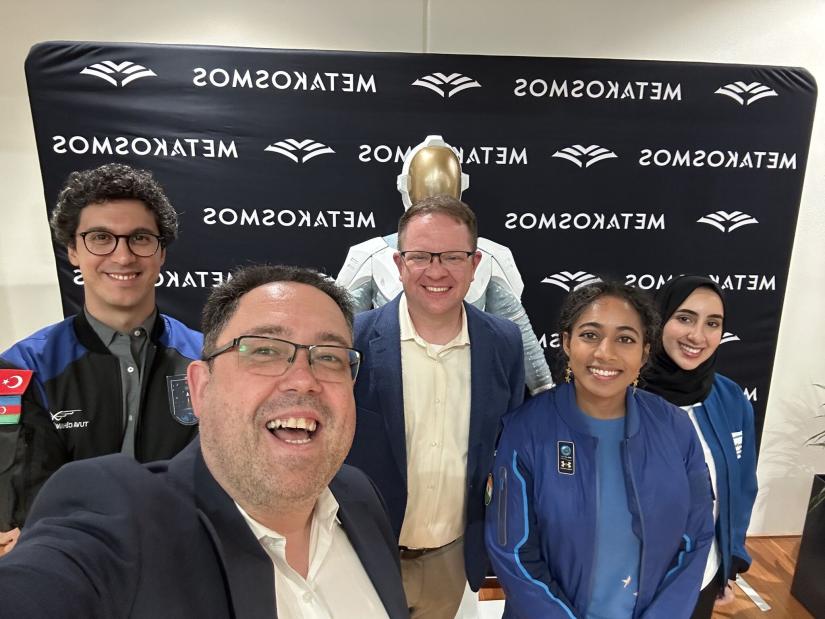
When you invite international collaborators to visit UTS, your research partners bring fresh perspectives to our research community while enhancing the university’s global reputation. Such visits are invaluable for both sharing and gaining knowledge and for catalysing new research projects, helping UTS be the world-leading university of technology recognised for our global impact it aspires to be.
Comply with UTS governance and risk management policies
When preparing to work internationally, consider governance as well as legislative and ethical obligations from the beginning. Addressing regulatory obligations and societal expectations in controlling for risk helps safeguard research, researchers, UTS and the national interest, while enabling benefit from research.

Hear case studies from...

Dr Bill Söderström
Learn how ARC Future Fellow Dr Bill Söderström established his strong international network in his field of microbiology.
Deborah Szapiro
Gain insight into UTS' longstanding collaboration with Honda Research Institute in Japan (HRI) led by Deborah Szapiro.

Dr Emma Camp
Discover how award-winning marine biologist, Dr Emma Camp, unlocked international funding to support her research into building coral resilience in the face of climate change.
Dr Frederick Marlton
Learn how Dr Frederick Marlton gained international funding through the Fulbright Program.


Dr Nick McClean
Gain insights into how Dr Nick McClean accessed international funding to support his research into fisheries governance.
Tom Kuhn
Discover top tips for winning U.S funding from Tom Kuhn, one of Hanover Research’s Senior Grants Consultants.


Dr Yan Liao
Learn about Chancellor’s research Fellow Dr Yan Liao's experience at Cambridge University.
Dr Yuan Feng
Gain tips from Dr Yuan Feng on securing EU funding for her world-leading research on risk, vulnerability and resilience assessment of built infrastructure and communities to climate extremes.


Dr Zoe Xirocostas
Discover how UTS Chancellor’s Research Fellow and ecologist Dr Zoe Xirocostas is working collaborating on international fieldwork.
What's next?
- Visit the International Funding Opportunities page on RES Hub to learn more.
- Login to Pivot-RP to discover international funding opportunities that align with your research interests.
- Visit the UTS Partnerships and Agreements SharePoint.